Cable Gland for Flat Cable applications offers significant advantages in various industries. This specialized connector ensures robust and reliable sealing for flat cables. When properly installed, it prevents dust, moisture, and other contaminants from entering cable systems.
The use of Cable Gland for Flat Cable is becoming increasingly popular due to its versatility. It is used in sectors like manufacturing, telecommunications, and transportation. These glands help maintain cable integrity in challenging environments. With the right cable gland, the risk of cable damage decreases substantially. Users often find improved performance and longer lifespans for their cables.
However, selecting the right type of cable gland requires careful consideration. Not all glands suit every application. Factors like cable size, environment, and potential hazards play crucial roles. Understanding these nuances can be challenging. Yet, making informed choices can lead to safer and more efficient operations.
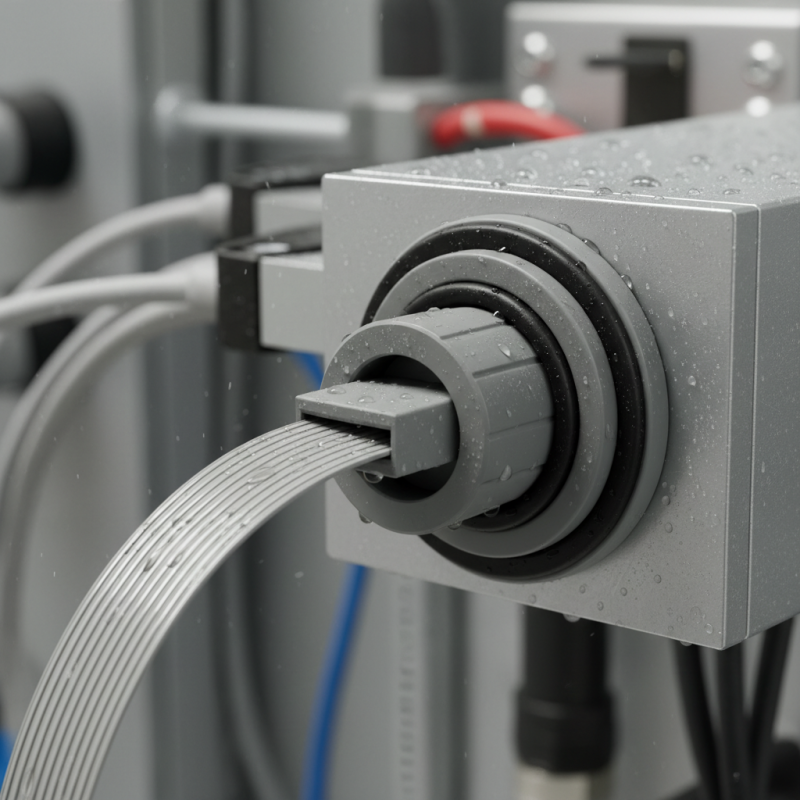
Flat cables are often exposed to a variety of environmental challenges. For example, factors like moisture, dust, and chemicals can significantly impact their performance. Using cable glands specifically designed for flat cable applications helps improve protection against these threats. A report from the International Electrotechnical Commission (IEC) indicates that over 40% of cable failures occur due to environmental issues, underscoring the importance of using proper sealing mechanisms.
Enhanced environmental protection through cable glands ensures a longer lifespan for flat cables. These glands create a secure barrier, safeguarding cables from ingress of harmful materials. Additionally, the proper use of cable glands can also contribute to a 30% reduction in the likelihood of electrical failures in adverse conditions. This statistic highlights the significance of investing in quality protection for critical infrastructure.
While many manufacturers offer standard solutions, challenges remain in achieving a perfect seal in every application. Users must consider factors like cable size, installation environment, and specific exposure risks. Failure to address these details can lead to inadequate protection, negating the benefits of the cable gland. Thus, thorough evaluation and selection processes are crucial for optimal performance.
| Benefit | Description | Impact |
|---|---|---|
| Enhanced Sealing | Provides a tight seal against dust, moisture, and other environmental factors. | Increased longevity of flat cables in harsh conditions. |
| Mechanical Protection | Protects the cable from physical damage and abrasion. | Reduces maintenance and replacement costs. |
| Ease of Installation | Simplifies the cabling process with user-friendly designs. | Saves time and labor during installation. |
| Versatility | Suitable for a wide range of cable sizes and types. | Flexibility in application across different sectors. |
| Cost-Effectiveness | Minimizes the need for expensive protective measures. | Improves ROI on cabling projects. |
Cable glands play a crucial role in the effective installation of flat cables. The adoption of these components can significantly enhance installation efficiency. According to industry research, using cable glands can reduce installation time by up to 30%. This time saving allows technicians to focus on other critical tasks, improving overall productivity.
When working with flat cable applications, the need for reliable sealing and strain relief is paramount. Cable glands ensure that connections remain secure and protected against environmental factors. A report from a leading electrical standards organization states that improper sealing can lead to failures in 20% of installations. This statistic highlights the importance of using quality components, such as cable glands, to prevent costly downtime.
However, not all installations go as planned. Occasionally, improper sizing of cable glands may lead to challenges. Technicians should always double-check specifications to avoid these pitfalls. The transition to cable glands might require additional training for personnel, but the long-term benefits often outweigh the initial hurdles. As the industry evolves, improvements in cable gland design promise even greater efficiency gains.
Cable glands play a crucial role in both electrical safety and reliability, especially in flat cable applications. Their primary function is to secure and protect the cable entry points from environmental factors. This includes dust, moisture, and mechanical stress. When properly installed, cable glands help maintain an effective seal, preventing harmful substances from intruding into sensitive electrical components.
Another important aspect of cable glands is their contribution to grounding and earthing systems. By ensuring proper connection between cables and enclosures, they minimize risk. They reduce the chance of electrical faults, which can lead to equipment failure or accidents. Regular inspection is essential. Over time, wear and tear could compromise their performance, highlighting the need for manufacturers and technicians to continually assess their integrity.
Despite these benefits, it is vital to choose the right type of cable gland for specific applications. Incorrect selection may lead to issues such as overheating or inadequate sealing. Additionally, installation mistakes often occur, which could create vulnerabilities. Ensuring the right fit involves understanding both the cable type and environmental conditions. Ongoing education and training in cable gland installations can significantly enhance safety outcomes and operational reliability.
This bar chart illustrates the top benefits of using cable glands for flat cable applications, highlighting their critical role in ensuring electrical safety, environmental protection, ease of installation, durability, and cost efficiency. These attributes are essential for professionals in the electrical engineering sector.
When it comes to flat cable applications, industry standards play a crucial role in ensuring safety and efficiency.
Cable glands serve as essential components in these setups. They provide reliable sealing and protection for cables, which is vital in various industrial environments. With proper installation, these glands help reduce the risk of moisture and dust ingress.
Compliance with industry standards is key for cable gland use. These standards often dictate the materials and design specifications required for optimal performance. Different sectors, like telecommunications and manufacturing, have unique demands. Adhering to these guidelines ensures that the cable glands can effectively handle the specific challenges they face in each sector.
However, not all installations are perfect. Mistakes can occur, such as incorrect sizing or inadequate sealing. This can lead to potential issues in operation. Regular inspections and adherence to guidelines help mitigate these risks. Retaining a focus on compliance allows professionals to address these challenges and enhance the reliability of flat cable systems.
Using cable glands for flat cable applications offers notable cost savings in long-term cable management. Properly sealing and securing cables prevents damage and reduces wear. This minimizes the need for frequent replacements, thus saving money over time. Many industries benefit from this approach, as it improves efficiency and reduces unexpected downtime.
The longevity of cable glands also contributes to their cost-effectiveness. They provide robust protection against environmental factors such as moisture and dust. This durability means fewer disruptions to operations. However, choosing the right cable gland can be challenging. Users must consider factors like material compatibility and environmental conditions. This oversight can lead to costly mistakes later.
Investing in high-quality cable glands shows a commitment to safety and reliability. Businesses can encounter issues if they compromise on quality. These pitfalls can lead to expensive repairs and lost productivity. In the end, the effectiveness of cable glands lies in careful selection and proper installation. Taking time for thoughtful decisions pays off significantly in operational longevity.
: Flat cables face challenges from moisture, dust, and chemicals. These factors can harm performance significantly.
Cable glands create a barrier that prevents harmful materials from entering. This enhances the longevity of flat cables.
Over 40% of cable failures arise from environmental issues. Proper sealing mechanisms reduce this risk effectively.
Compliance ensures cables function properly in specific environments. Each sector has unique challenges that guidelines help address.
Incorrect sizing or poor sealing are common issues. These mistakes can lead to operational problems and increased risks.
Properly sealed cables reduce wear and damage. This minimizes the need for replacements, saving money over time.
Users need to consider material compatibility and environment. Oversights in this process can lead to significant costs.
Poor quality can result in expensive repairs and productivity loss. Careful selection ensures safety and reliability in operations.
Regular checks prevent mistakes from affecting system performance. They enhance reliability and address potential challenges promptly.
The use of a Cable Gland for Flat Cable applications offers numerous advantages that enhance both safety and efficiency. One of the primary benefits is the enhanced protection against environmental factors, which helps to safeguard the integrity of flat cables in various settings. Additionally, the installation process is significantly streamlined, resulting in time savings and improved operational efficiency. Cable glands also play a crucial role in ensuring electrical safety and reliability, adhering to industry standards that guarantee compliance in diverse applications.
Furthermore, utilizing cable glands for flat cable management proves to be a cost-effective solution in the long run. By providing secure and reliable connections, these components reduce maintenance needs and enhance the lifespan of the cable systems. Overall, the benefits of incorporating a Cable Gland for Flat Cable are vast, making it an essential component for any cable management strategy.

Hongxiang