In the rapidly evolving world of electrical engineering, the importance of reliable components cannot be overstated. According to Dr. Emily Carter, a leading expert in the field of electrical fittings, "Choosing the right components can make or break a project." One such critical component is the Plastic Cable Gland. These devices play a vital role in ensuring the integrity of electrical connections, particularly in challenging environments.
Plastic Cable Glands are not just functional; they offer a range of benefits that can enhance project efficiency. They provide excellent protection against dust and moisture, which is essential in many industrial settings. Their lightweight nature makes them easy to handle and install, saving time and reducing labor costs. Additionally, plastic variants are often more cost-effective than their metal counterparts, proving advantageous for budget-conscious projects.
Despite their numerous advantages, some users overlook the significance of quality in choosing a Plastic Cable Gland. Opting for inferior products can lead to failures and safety hazards. As with any engineering component, it is crucial to weigh options carefully. Assessing quality and performance will ultimately lead to better project outcomes.
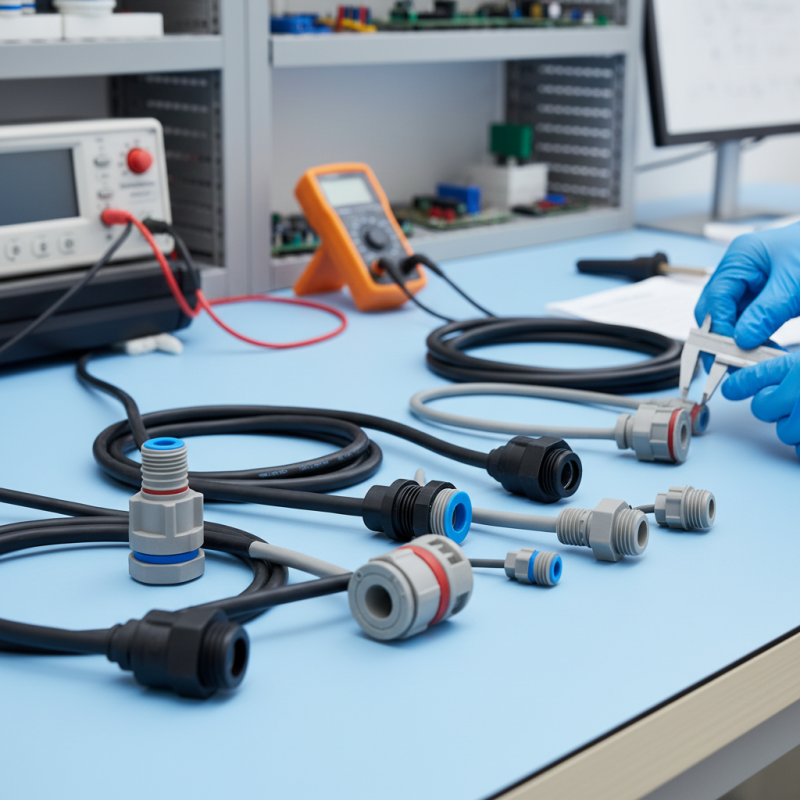
Overview of Plastic Cable Glands and Their Applications
Plastic cable glands are essential in various projects, offering versatile solutions for managing electrical connections. They protect cables from environmental hazards like dust, moisture, and mechanical stress. This level of protection is especially useful in outdoor installations and industrial settings. The lightweight nature of plastic materials makes installation easier and more efficient compared to metal counterparts.
These cable glands are often used in telecommunications, construction, and automotive industries. Their adaptability accommodates different cable sizes and types. By creating a secure seal, they help maintain the integrity of electrical systems.
However, considerations such as temperature limits and chemical exposure must be made. A common misconception is that all plastic cable glands are equal in quality. Variability in manufacturing processes can lead to inconsistencies. It's crucial to choose glands that meet specific project requirements. Awareness of standards and regulations enhances reliability. The right selection ensures longevity and safety in applications.
Key Advantages of Utilizing Plastic Cable Glands for Projects
Plastic cable glands are essential for many projects. They provide key advantages that enhance both performance and safety. These glands protect wiring from dust, moisture, and other harmful elements. Their lightweight nature makes them easy to install, promoting efficiency on site.
Tips: Always choose the right size for your cables. A snug fit helps prevent any strain on the wiring. Check for compatibility with your project materials to ensure a long-lasting solution.
The durability of plastic cable glands cannot be overlooked. They resist corrosion and impact, making them suitable for various environments. However, they may not provide the same level of protection in extreme conditions as metal alternatives. It's important to assess the specific needs of your project before making a choice.
Tips: Consider the environment where you will use the cable glands. If exposure to chemicals or extreme temperatures is a concern, further research is essential. Never compromise on quality, as it impacts the overall safety and success of your project.
Durability and Resistance Features of Plastic Cable Glands
Plastic cable glands offer strong durability and resistance features that make them ideal for various projects. They resist corrosion, chemicals, and environmental factors. This ensures a long life, even in harsh conditions. Many users appreciate that they don’t conduct electricity, which enhances safety.
Tips for selecting the right plastic cable gland: Look for UV-resistant materials if your project is outdoors. This prevents degradation from sun exposure. Check if the gland meets your specific environmental requirements. Some projects may need added moisture resistance.
Be cautious, though. While plastic is robust, it can be less tolerant of extreme temperatures compared to metal. In high heat, consider the risk of deformation. In freezing conditions, brittleness may occur. Assess your project's environment carefully before making a choice.
Top 10 Benefits of Using Plastic Cable Glands for Your Projects
| Benefit |
Description |
Application |
| Durability |
Plastic cable glands are resistant to impact and abrasion, ensuring long-lasting use. |
Industrial and commercial applications. |
| Corrosion Resistance |
They are immune to rust and corrosion, making them suitable for outdoor use. |
Environmental and outdoor installations. |
| Lightweight |
Their lightweight nature makes handling and installation easy. |
Electrical projects with weight restrictions. |
| Cost-effective |
Generally less expensive than metal alternatives, providing a cost-efficient solution. |
Budget-sensitive projects. |
| Easy Installation |
Designed for quick and straightforward installation with minimal tools required. |
DIY and small-scale projects. |
| Thermal Stability |
Good performance across a wide range of temperatures, maintaining integrity. |
Extreme environmental conditions. |
| Waterproof |
Designed to provide a secure seal against dust and water ingress. |
Outdoor electrical connections. |
| Chemical Resistance |
Resistant to many common chemicals, ensuring longevity in various environments. |
Chemical plants and labs. |
| Versatile Design |
Available in various sizes and configurations, suitable for different cable types. |
Multiple industries and applications. |
| Electrical Insulation |
Provide excellent insulation, reducing the risk of short circuits. |
Electrical and telecommunications applications. |
Cost-Effectiveness of Plastic Cable Glands Compared to Alternatives
Plastic cable glands offer notable cost-effectiveness, especially when compared to metal alternatives. According to industry reports, using plastic cable glands can reduce installation costs by up to 30%. The lighter weight of plastic promotes easier handling and quicker installation, ultimately leading to reduced labor costs. In projects with tight deadlines, this efficiency becomes crucial.
Moreover, plastic cable glands resist corrosion and wear better in many environments. This durability can lead to lower maintenance costs over time. Research indicates that plastic cable systems can last twice as long in harsh conditions compared to metal counterparts. This longevity means fewer replacements and less downtime, further enhancing overall cost savings.
However, it’s essential to consider the specific project requirements, such as environmental factors and load-bearing needs. Choosing the right material requires careful analysis. While plastic cable glands are economical, they may not be the best choice for every application. Balancing initial costs with long-term benefits is critical for decision-making in any project.
Environmental Impact and Sustainability of Plastic Cable Glands
Plastic cable glands play a vital role in enhancing project sustainability. Their lightweight design reduces transportation emissions. A recent report from the Environmental Protection Agency highlights that lightweight materials can decrease carbon footprints by up to 20%. This makes plastic cable glands not just practical but also an eco-friendly choice.
To ensure optimal environmental benefits, consider using recycled plastic options. These alternatives can significantly reduce resource consumption. Research indicates that using recycled materials can cut down energy usage by 60% compared to new plastics. Always check for certifications regarding sustainability when sourcing your cable glands.
Using plastic cable glands also aids in reducing waste. Properly designed products minimize installation waste and have a longer lifespan. Reports suggest that the durability of plastic cable glands can extend projects' overall lifespan, translating to fewer replacements. This means less waste in landfills.
When selecting plastic cable glands, it's essential to evaluate their long-term impact. Ensure they meet standards for both performance and sustainability. Also, consult industry guidelines for best practices. This approach will help enhance your project's resilience while contributing positively to the environment.
Conclusion
Plastic cable glands are essential components in various electrical applications, providing protective sealing for cable entries in enclosures. Their versatility makes them suitable for a wide range of projects, from industrial settings to residential installations. The key advantages of utilizing plastic cable glands include their lightweight nature, easy installation, and excellent resistance to environmental factors such as moisture and dust.
Furthermore, the durability and resistance features of plastic cable glands ensure reliable performance over time, while their cost-effectiveness allows for economical project budgeting compared to traditional alternatives. Additionally, with an increasing focus on sustainability, plastic cable glands offer environmentally friendly options that can be recycled, minimizing the ecological impact of electrical installations. Overall, choosing plastic cable glands helps enhance project efficiency without compromising on quality or environmental responsibility.

 Hongxiang