Choosing the right Cable Gland Seal is critical for ensuring optimal performance in various applications. These seals play an essential role in protecting sensitive equipment from dust, moisture, and other contaminants. A well-chosen cable gland seal can significantly prolong the lifespan of your electrical systems.
Understanding your specific needs is vital when selecting a cable gland seal. Consider factors such as environmental conditions, cable types, and installation requirements. Not all cable gland seals are created equal. Some may seem suitable but might not offer the necessary protection in harsh environments.
Reflect on past experiences where improper seals led to failures. Such issues can be costly and damaging. Therefore, investing time in researching and evaluating options is crucial. Reliable resources, including manufacturer specifications and expert advice, can guide your decision. Remember, a thoughtful choice now can save you from future headaches.
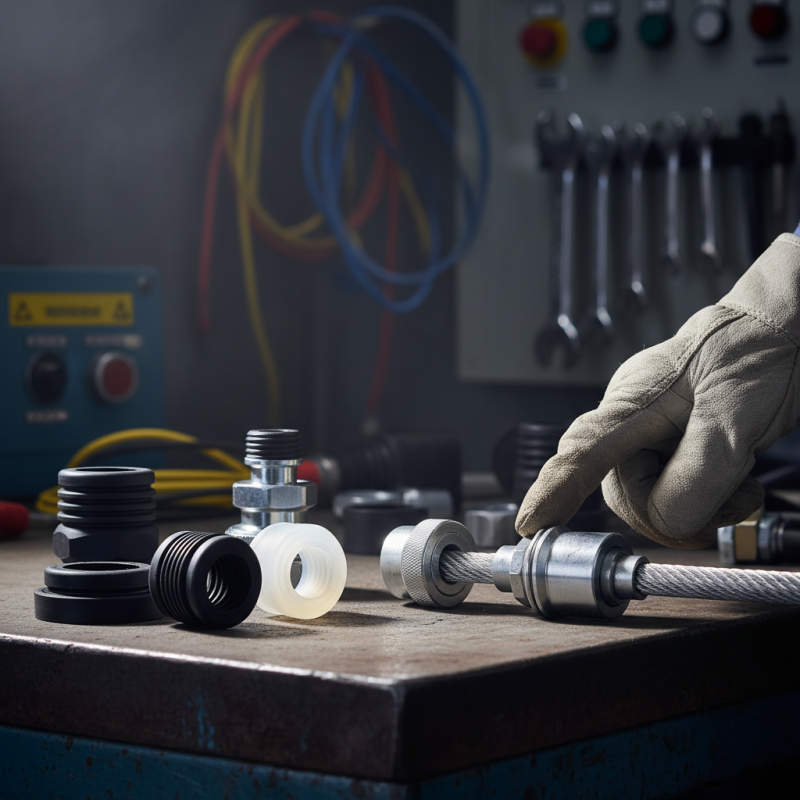
Cable glands are crucial components in electrical installations. They serve multiple purposes, from providing mechanical support to ensuring a safe and secure seal against moisture and dust. Understanding how these seals function is essential for maintaining the integrity of electrical systems. A poorly chosen cable gland can lead to failures. This puts equipment at risk and may even jeopardize safety.
Choosing the right cable gland seal involves considering various factors. The environment in which it will be used plays a vital role. For instance, outdoor installations require glands that can withstand UV radiation and extreme weather. Meanwhile, indoor applications may have different requirements. The materials used for cable glands also matter. Some materials resist chemicals better than others, impacting longevity.
An often overlooked aspect is installation. Ensuring a proper fit is not always straightforward. An incorrectly installed gland can compromise its effectiveness. Users must take time to assess their choices carefully. Reflecting on past experiences can guide better decisions in the future. Selecting the right cable gland seal is not just important; it is necessary for reliable operations.
When choosing a cable gland seal, it's essential to understand the available options. Different environments and uses require specific types of seals. For instance, rubber and silicone seals are popular choices for flexibility and adaptability. These materials can withstand various temperatures and environmental conditions.
Metallic seals are another option. They provide excellent protection against extreme conditions and physical damage. However, they may not be as easy to install or replace. Consider the specific requirements of your project before deciding.
Tips: Always check the IP rating of the seals. This indicates their resistance to water and dust. Choosing a seal with the appropriate IP rating can save you from future maintenance issues. Rely on technical specifications rather than assumptions. A small detail, like the type of sealing method used, can greatly affect performance. If in doubt, consult industry experts for insights on the best options.
Choosing the right cable gland seal requires careful thought. The environment where the seal will be used is paramount. For example, if the installation site is exposed to extreme temperatures, you need a seal that can withstand such conditions. Look at the materials used in the seals, as they affect durability and performance.
Next, consider the size of cables. A good fit is essential to prevent moisture or dust ingress. Measure the cable diameter accurately. A poorly sized seal can lead to failures, and replacing seals often incurs additional costs. Compatibility with the cable's insulation is also crucial.
Another factor to think about is the anticipated load. Heavy-duty environments demand tougher seals. Think about mechanical stress and potential impacts. Seals may degrade over time under stress, so selecting the right material is vital. Reflect on how often you expect to replace these seals. This could affect your project's budget and timeline. Balancing these aspects helps in making a more informed decision.
When installing cable glands, understanding the requirements is crucial. The type of environment demands careful consideration. Whether it's a humid area, a dusty site, or an explosive atmosphere, each scenario requires specific seal types. For instance, during installation in a hazardous zone, ensure the selected cable gland meets explosion-proof standards. This guarantees safety and reliability.
Proper installation techniques are equally important. Begin by ensuring that the cables are cut cleanly. Excess fraying can compromise the seal. The gland should be tightened appropriately, avoiding over-tightening, which can damage the cable and affect the seal's integrity. Use a torque wrench to maintain accuracy. Additionally, consider the cable’s movement. If there is potential for movement, a flexible seal might be necessary to accommodate this while maintaining protection.
Reflecting on past installations can reveal areas for improvement. Did you account for temperature variations? Were the sealing lengths adequate for the cable diameter? Such reflections can guide future projects and promote better practices. By focusing on these installation requirements, you enhance the performance and safety of your cable systems.
Cable gland seals play a vital role in protecting electrical connections from moisture and dust. To ensure they function optimally, regular maintenance is crucial. Inspect seals for signs of wear or damage. A minor crack can compromise their integrity. Ensure they fit properly; ill-fitting seals can lead to issues.
One tip is to clean the areas around the cable gland seals. Dust and grime can build up over time. Use a soft cloth or brush to remove debris. It's essential to keep them clear for the best performance. Regular checks can prevent unexpected failures.
Another consideration is environmental factors. Extreme temperatures and humidity can affect seals' lifespan. Choose materials that are resistant to these conditions. Monitor the performance of your cable glands regularly. A proactive approach often saves time and costs in the long run. Addressing small issues might prevent significant problems later.
This bar chart illustrates the performance ratings of various types of cable gland seals based on their ingress protection (IP) ratings. Higher percentages indicate better performance, which is crucial for ensuring optimal function in different environments.
: Cable glands are components that provide support and seal electrical installations. They protect against moisture and dust.
A poorly chosen cable gland can lead to equipment failures and safety risks. It's essential for reliable operations.
The installation environment is crucial. Outdoor glands need UV resistance and weather durability, while indoor needs differ.
Materials impact the glands' durability and performance. Some resist chemicals better, which affects their longevity.
Incorrect installation can compromise seals. Taking the time to ensure a proper fit is significant for performance.
Accurate cable size prevents moisture and dust ingress. A poorly sized seal often leads to failures and costs.
Heavy-duty environments require tougher seals. Reflect on stress levels; it can affect longevity and replacement needs.
Reflecting on previous choices helps improve future selections. Learning from mistakes can lead to better outcomes.
Again, replacing seals incurs additional costs. Balancing quality and budget is crucial for project success.
Choosing the right Cable Gland Seal is crucial for ensuring the effectiveness and safety of electrical installations. Cable glands serve as important components that connect cables to equipment while providing protection against environmental factors. When selecting a seal, it's essential to consider various types available, including materials and design, to meet specific project requirements.
Moreover, factors such as environmental conditions, cable types, and installation requirements play a significant role in your choice. Following best practices during installation can enhance the longevity and performance of Cable Gland Seals. Regular maintenance is also vital to ensure that the seals continue to function optimally, safeguarding the integrity of electrical systems. By keeping these considerations in mind, you can select a cable gland seal that meets your needs effectively.

Hongxiang