Choosing the right Single Cable Gland is more than just a technical decision; it impacts safety and performance. John Smith, a leading expert in cable management systems, emphasized, “The right gland can prevent failures and ensure safety.” This highlights the importance of careful selection.
Single Cable Glands seal cables entering equipment, protecting against dust, moisture, and mechanical strain. Factors like the environment, cable type, and installation method are crucial. An inappropriate choice may lead to costly repairs or safety hazards.
Installation isn't just about fitting a cable. It requires understanding specific requirements. Improper installation can also expose vulnerabilities. Investigation into your needs and the right products is vital. Always prioritize expert advice and reliable sources.
Understanding the Purpose and Functionality of Cable Glands
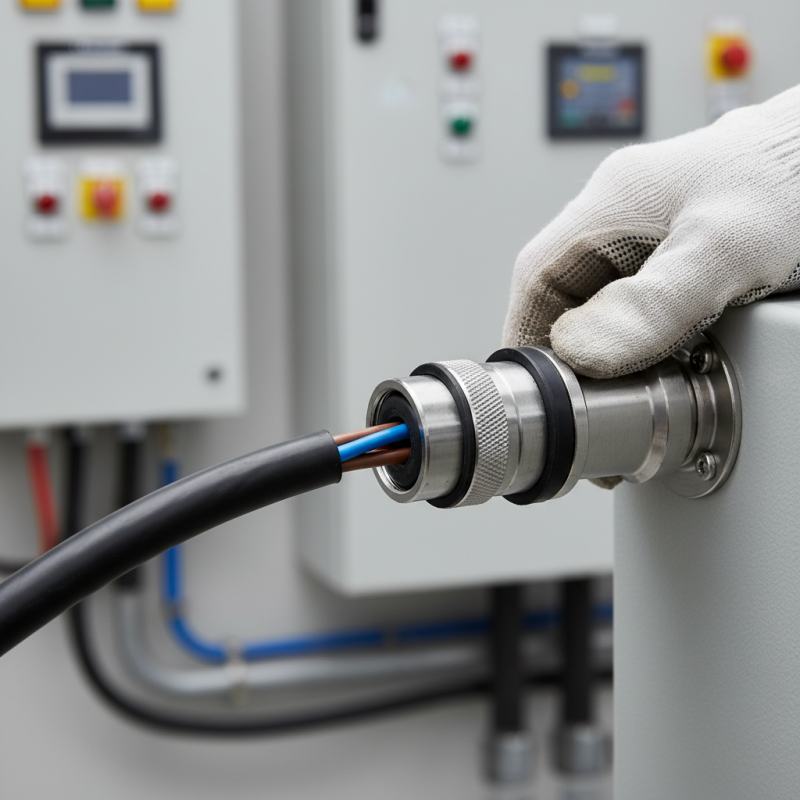
Choosing the right single cable gland is crucial for ensuring the safety and efficiency of electrical installations. Cable glands serve as an entry point for cables into enclosures, protecting them from external elements like moisture, dust, and mechanical stress. According to a report by MarketsandMarkets, the global cable gland market is projected to reach $1.6 billion by 2026, emphasizing the growing importance of reliable components in industrial applications.
Cable glands come in various materials and sizes, tailored to specific environments. For instance, plastic glands are suitable for lighter, non-hazardous environments, while metal glands provide durability and strength in harsh conditions. The right cable gland also aids in maintaining proper sealing, which can reduce the risk of failures due to environmental interference. Understanding the rating systems, such as IP ratings, is essential. These ratings help to gauge the gland's performance in specific conditions, ensuring maximum reliability.
Tips: Always consider the cable diameter when selecting a gland. This prevents gaps that can expose cables to elements. Another point to ponder is the application environment. Different settings may require unique materials. Conducting a risk assessment can guide you in making the best choice. Not all applications are the same, so take the time to examine each requirement carefully, as this diligence can lead to improved safety and functionality.
Identifying Your Specific Application Requirements for Cable Glands
When selecting a cable gland, consider your specific application requirements carefully. Different environments demand different features. For example, industrial settings require durable materials to withstand harsh conditions. Conversely, household applications may prioritize aesthetics and easy installation.
Tips: Always assess the environment. Temperature and humidity can affect performance. Also, think about the type of cables used. Ensure compatibility to avoid failures.
Next, think about the protection level needed. Some applications need enhanced sealing against dust and water. Look for IP ratings that match your requirements. Don't overlook factors like cable diameter and gland size. An incorrect fit can lead to safety risks.
Tips: Check installation environment. A controlled space may need less robust solutions. Likewise, review maintenance needs for longevity. Regular checks can save troubles later.
Evaluating Material Options and Their Impacts on Performance
When selecting a single cable gland, material choice plays a crucial role in performance. Different materials have unique properties that directly influence durability and protection levels. Common materials include PVC, nylon, and metal. PVC offers good environmental resistance, but may not endure high temperatures. Nylon is lightweight and flexible, yet it can be susceptible to UV degradation. In contrast, metal options provide superior strength and are often preferred in harsh environments.
Beyond just material, understanding how these options interact with your specific application is essential. For instance, a high chemical exposure scenario may require a gland made from a more chemically resistant material, like stainless steel or brass. This consideration can prevent premature failures and ensure safety. Users often overlook compatibility with cable insulation. Mismatched materials can lead to performance issues down the line.
When exploring options, a hands-on approach can be beneficial. Testing materials under actual operating conditions provides insights into their performance. Feedback from previous projects can guide material selection. Reflecting on past experiences can uncover necessary adjustments, leading to better choices for future applications. This iterative process is key in finding the right balance between cost and performance.
Material Comparison for Single Cable Glands
Assessing Environmental Factors and Their Influence on Cable Gland Choice
Choosing the right single cable gland heavily depends on environmental factors. These factors include temperature, humidity, and exposure to chemicals. Data from industry reports indicate that over 70% of cable failures occur due to improper gland selection. Glands must be rated for specific environmental conditions to ensure reliability.
Temperature extremes can significantly impact material performance. For instance, high temperatures can degrade certain plastics, while low temperatures may make them brittle. When selecting a cable gland, consider its temperature range. This helps avoid premature failure and costly downtime.
Chemical exposure is another crucial factor. Many environments expose cables to corrosive substances. According to a study, nearly 40% of installations in industrial settings faced chemical exposure. Selecting a gland made from materials resistant to these substances is vital. Stopping to assess these environmental factors can lead to a more durable and effective cable installation.
How to Choose the Right Single Cable Gland for Your Needs?
| Environment |
Temperature Range (°C) |
Humidity Level (%) |
Ingress Protection Rating |
Material Recommendation |
| Indoor (Low Humidity) |
0 to 40 |
30 - 50 |
IP20 |
Plastic |
| Outdoor (Mild Weather) |
-10 to 50 |
50 - 80 |
IP65 |
Metal |
| Industrial (High Humidity) |
-20 to 60 |
80 - 100 |
IP67 |
Stainless Steel |
| Marine Environment |
-30 to 50 |
70 - 100 |
IP68 |
Bronze |
| Hazardous Locations |
-40 to 60 |
30 - 100 |
IP66 |
Explosion-proof Material |
Key Features to Consider When Selecting a Cable Gland
When selecting a single cable gland, it's essential to consider specific features that suit your application. The ingress protection (IP) rating is one critical aspect. An IP rating indicates how well a cable gland can resist dust and moisture. For harsh environments, an IP68 rating is often necessary, as it assures protection against submersion. According to a recent report by the International Electrotechnical Commission, nearly 80% of equipment failures in industrial sectors stem from poor sealing against environmental factors.
Material choice is equally important. Common materials include brass, plastic, and stainless steel. Each has its strengths and limitations. For example, while brass offers excellent durability, plastic can be lighter and more cost-effective but may lack resistance to extreme temperatures. According to a study by the Electrical Safety Foundation International, approximately 30% of cable-related incidents are linked to inadequate material types, stressing the need for careful selection based on your environment's demands.
Cable diameter compatibility should not be overlooked either. The wrong size may lead to inadequate grip or seal. A survey by the National Electrical Manufacturers Association revealed that 40% of installations had improper cable gland sizes, leading to compromised safety. Consider these factors seriously, as the right choice prevents potential hazards and costly failures down the line.
FAQS
: Cable glands serve as entry points for cables into enclosures, protecting against moisture, dust, and stress.
Consider the cable diameter and the environment. Ensure proper sealing to avoid exposure to elements.
Common materials include PVC, nylon, and metal. Each has unique properties impacting durability and performance.
Different environments require specific features, like strength for industrial settings or aesthetics for homes.
IP ratings indicate a gland's performance against dust and water. Choose ratings that meet your application needs.
Temperature and humidity can influence gland performance. Assess these conditions to avoid potential issues.
Regular inspections can help ensure safety and longevity. Detection of early issues can prevent problems later.
Yes, mismatched materials may lead to performance issues. Compatibility is crucial for reliable operation.
Testing materials in real conditions provides valuable insights. Past projects can offer feedback for future selections.
Yes, reflecting on past experiences helps adjust choices for better cost and performance balance.
Conclusion
When selecting a Single Cable Gland, it is crucial to understand its purpose and functionality, as these components are designed to securely seal and protect cable entries in various applications. Identifying specific application requirements is key, as different environments and operational demands dictate the type of gland needed. Evaluating material options, such as plastic or metal, will also impact performance, durability, and corrosion resistance.
Additionally, environmental factors such as temperature, moisture, and exposure to chemicals can heavily influence the choice of a Single Cable Gland. Considering important features like ingress protection ratings, cable diameter ranges, and ease of installation can further ensure that the selected gland meets the necessary standards for safety and reliability. By carefully assessing these aspects, one can make an informed decision that aligns with their unique needs.

 Hongxiang