In an increasingly metal-driven world, choosing the correct Metal Cable Gland is crucial for various applications. A recent report by Market Research Future indicates the global market for cable glands is projected to reach $8 billion by 2026, showing significant growth driven by industrial and electrical sectors. Experts highlight that Metal Cable Glands play a vital role in ensuring safety, reliability, and performance in electrical installations.
According to Dr. James Miller, a leading expert in industrial solutions, "Selecting the right Metal Cable Gland can prevent costly failures and ensure operational efficiency." This statement underscores the importance of understanding specific requirements when selecting cable glands. Factors such as environmental conditions and installation types must be carefully assessed to make an informed decision.
However, the wide range of options can lead to confusion and oversight. Many professionals tend to overlook essential specifications. Inadequate attention to these details can result in installation failures. A thorough understanding of your application and informed choices are critical to avoid pitfalls in selection.
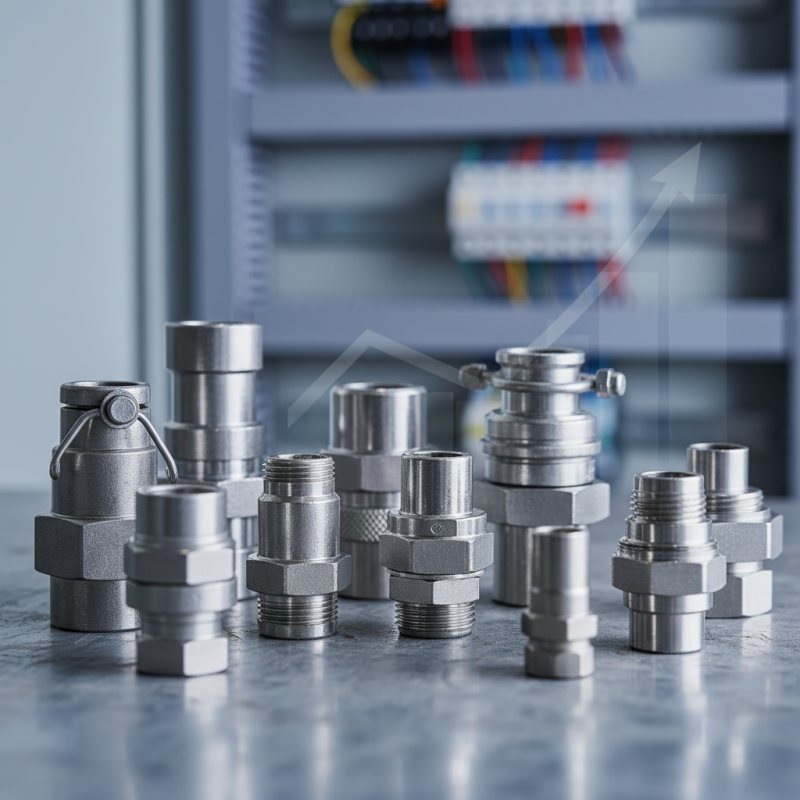
Metal cable glands play a vital role in various industries. They provide secure connections for electrical cables, protecting them from moisture and dust. Their main function is to ensure the integrity of cable entries into equipment. This helps maintain performance and safety in environments where reliability is crucial.
When selecting a metal cable gland, consider factors like the environment and type of cables. Different materials offer varying levels of strength and resistance. For example, stainless steel options resist corrosion, while brass may be less expensive but susceptible to rust. It's essential to match the gland to its application.
However, users often overlook the importance of proper installation. A poorly fitted gland can lead to issues, such as insulation failure. Regular maintenance and inspections are necessary to ensure long-term functionality. Ultimately, thoughtful selection and attention to detail can enhance performance and prolong the life of your equipment.
When selecting a metal cable gland, understanding its application is crucial. Consider the environment where the gland will be installed. Will it be exposed to moisture, dust, or chemicals? Each factor influences the choice. A gland made from stainless steel offers better corrosion resistance in harsh conditions.
Another important factor is the cable diameter. Measure accurately for a proper fit. An ill-fitting gland can lead to weaknesses in sealing and support. Think about the installation process too. Some designs are easier to work with than others. Ease of installation can save time and reduce errors.
Don’t overlook the importance of certifications and standards. Ensure the product meets industry requirements for your specific application. This not only ensures reliability but also safety. Research can reveal common issues faced by users. These insights can guide you to make a more informed decision.
When selecting a metal cable gland, material choice is critical. Aluminum, brass, and stainless steel each offer unique advantages and disadvantages. According to a recent industry report, aluminum is lightweight and resistant to corrosion, making it suitable for various environments. However, its strength may not match that of brass or stainless steel under high pressure.
Brass is often favored for its durability and conductivity. It has excellent resistance to corrosion and is suitable for indoor applications. Yet, it may not perform well in harsh outdoor conditions. In contrast, stainless steel excels in extreme environments due to its exceptional strength and resistance to oxidation. It is the preferred choice for industrial settings, where failure is not an option.
Still, one must consider the cost differences. Aluminum is typically more affordable than both brass and stainless steel. Conversely, investing in stainless steel can reduce overall maintenance costs over time. This decision may reflect a balance between budget considerations and long-term durability. Always reassess your choices based on specific condition requirements. Keep in mind that your initial choice can profoundly influence performance and reliability in the long run.
| Material | Corrosion Resistance | Temperature Range (°C) | Weight (kg) | Cost (USD) |
|---|---|---|---|---|
| Aluminum | Good | -40 to 80 | 0.2 | $1.50 |
| Brass | Excellent | -20 to 120 | 0.15 | $2.00 |
| Stainless Steel | Very Good | -50 to 150 | 0.25 | $3.00 |
When selecting metal cable glands, understanding application-specific features is essential. These components serve as critical junctions for protecting cables in various environments. They must meet industry standards such as IEC 62262 for impact protection and IP ratings for ingress protection. According to a recent market report, industries that require stringent safety measures are driving growth in the metal cable gland market. For instance, the oil and gas sector demands durable, corrosion-resistant materials, ensuring long-term reliability in harsh conditions.
Additionally, factors like temperature range and cable insulation type play vital roles in choosing the right gland. Specific applications may necessitate glands with robust sealing capabilities to prevent dust and moisture ingress. Research indicates that improper selection can lead to failures, resulting in equipment damage and safety hazards. For electrical installations in hazardous environments, it’s crucial to select glands that comply with ATEX standards for explosive atmospheres. Such adherence not only prevents accidents but also enhances overall system longevity and performance.
Environmental conditions cannot be overlooked. Metal cable glands must withstand extreme temperatures and chemical exposure in certain settings. For instance, in offshore drilling, the saline atmosphere requires specialized coatings to prevent degradation. A study in the Journal of Hazardous Materials highlights that 70% of failures in electrical systems originate from inadequate cable gland installations. This data underscores the importance of diligent selection and compliance with applicable standards, ensuring both reliability and safety in demanding applications.
Choosing the right metal cable gland involves assessing the environmental conditions it will face.
Environmental factors greatly influence performance. For instance, exposure to moisture, dust, or corrosive substances can impact the integrity of your installation.
Understanding the specific environment helps in selecting an appropriate gland with the right IP rating.
IP ratings indicate how well a cable gland protects against solids and liquids. An IP68 rating, for example, ensures dust-tightness and protection against continuous water immersion.
Evaluating these ratings helps you avoid common mistakes, such as underestimating possible exposure to water or dust in outdoor settings.
It’s crucial to reflect on the long-term implications of your choice. An inappropriate gland can lead to failures or maintenance issues.
Consider how changes in environmental conditions may arise over time. Regularly revisiting your installation’s performance ensures reliability and safety.
: Material choice impacts strength, durability, and resistance to corrosion. It’s key for performance.
Aluminum is lightweight and corrosion-resistant, but weaker under high pressure than brass or stainless steel.
Brass is durable and conductive, with good corrosion resistance, making it suitable for indoor use.
Brass may not withstand harsh outdoor conditions as effectively, which can lead to performance issues.
Stainless steel is ideal for extreme environments due to its strength and oxidation resistance.
IP ratings indicate protection levels against solids and liquids. Higher ratings ensure better performance in harsh environments.
Environmental factors can harm installation integrity. Understanding these helps in choosing the correct gland.
While aluminum is cheaper, stainless steel may save money on maintenance in the long run.
An inappropriate gland can cause failures and maintenance issues, affecting reliability and safety.
Regularly reassess the installation’s performance under changing conditions to ensure continued reliability.
Metal cable glands play a critical role in industrial applications by providing effective sealing and protection for cable entries. Understanding their purpose and function is essential when selecting the right type for your needs. Key factors for consideration include the material selection—choosing between aluminum, brass, and stainless steel—based on the specific requirements of the environment and application.
In addition, evaluating application-specific features and compliance with relevant standards is crucial to ensure reliability. Environmental conditions, such as temperature, moisture, and exposure to chemicals, dictate the appropriate IP ratings for optimal performance. By carefully assessing these elements, you can choose the most suitable metal cable gland to enhance safety and efficiency in your operations.

Hongxiang