In the ever-evolving landscape of industrial components, nylon cable glands have gained increasing importance. Experts highlight their essential role in protecting cables against environmental hazards. John Williams, a recognized authority in electrical engineering, notes, “Nylon cable glands are vital for ensuring system reliability in challenging conditions.” This statement underscores the significance of choosing the right nylon cable gland.
The market in 2026 will demand high-quality, durable options. Buyers will look for products that offer not just protection but also versatility. Various industries will require nylon cable glands that withstand extreme temperatures and exposure to chemicals. However, product selection can be daunting.
While many manufacturers claim to offer superior products, actual performance can vary. Buyers must weigh factors like material quality and reliability. It's essential to focus on trusted brands that provide verified test results. In this complex market, informed decisions are critical to ensuring long-term satisfaction and safety.
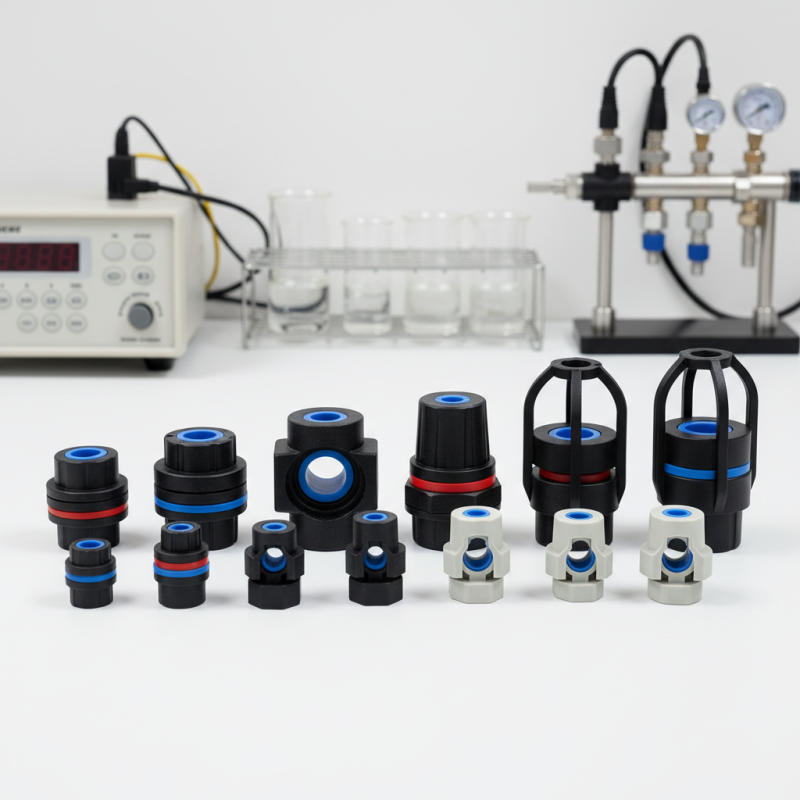
Nylon cable glands are vital components in electrical installations. They ensure secure cable entry and protect against dust and moisture. This makes them crucial for various industries, including manufacturing and construction. According to a recent market report, the global nylon cable gland market is expected to grow significantly, reaching a value of over $500 million by 2026.
The features of nylon cable glands include high resistance to corrosion and mechanical stress. They can operate in extreme temperatures, making them versatile in different environments. However, not all nylon cable glands meet the same quality standards. Some may degrade faster than expected, especially under UV exposure. Users should consider these factors when sourcing cable glands to ensure long-term reliability.
The benefits of using nylon cable glands are substantial. They help maintain electrical safety and optimize performance. Proper installation can prevent cable damage and electrical failures. Yet, companies often overlook installation guidelines, leading to poor outcomes. A thorough understanding of the product and careful selection are essential for maximizing benefits in any application.
When selecting nylon cable glands, several key factors must be considered to ensure optimal performance and longevity. The operating temperature range is vital. Nylon typically withstands temperatures from -40°C to 100°C. This range ensures durability across diverse environments.
Material quality is another crucial aspect. Industry reports indicate that high-grade nylon demonstrates superior resistance to UV and chemical exposure. Strong UV stabilizers can extend the life of cable glands in outdoor settings. Evaluations show that cable glands made of nylon 6/6 offer excellent mechanical properties, making them ideal for heavy-duty applications.
Tips: Always check the IP rating, which measures the ingress protection against dust and moisture. A higher IP rating means better protection. Ensure compatibility with the cable you are using. A snug fit reduces the risk of damage and leakage.
Consider manufacturer reliability. Many experts suggest reviewing third-party testing and certifications to ensure product integrity. Review reports and case studies to identify the best options aligned with your specific needs. Continuous improvement in material science introduces innovations. Keep an eye on advancements in nylon formulations for enhanced performance.
As the demand for nylon cable glands continues to rise, several top brands and manufacturers are standing out in 2026. The global nylon cable glands market is projected to reach USD 632 million by 2027, growing at a CAGR of 5.8%. This growth highlights the importance of innovation and quality in manufacturing. Key players focus on developing products that meet rigorous standards while maintaining cost-effectiveness.
Industry experts suggest that buyers should consider product certifications and material quality. High-quality nylon resists heat and moisture, enhancing durability. Companies are also emphasizing environmental sustainability in their materials and manufacturing processes. This shift shows a commitment to both quality and the planet.
Tips: Pay attention to the technical specifications. Always check the IP rating for water and dust resistance. This ensures protection in various environments. While many manufacturers claim to adhere to quality standards, reviewing third-party testing can reinforce reliability. The market is competitive, which often leads to improvements, but buyer vigilance is crucial.
The nylon cable gland market is evolving rapidly, with innovative designs leading the charge. Recent industry reports indicate significant growth expected by 2026. A projected CAGR of approximately 6.5% highlights this dynamism. Buyers are increasingly looking for products with enhanced durability and performance.
One prominent trend is the integration of eco-friendly materials in nylon cable gland production. Manufacturers are exploring bio-based nylon solutions to meet sustainability goals. These materials promise similar strength and flexibility while reducing environmental impact. Additionally, advancements in sealing technology have emerged, providing better protection against dust and moisture ingress, a critical factor for outdoor applications.
Moreover, smart cable glands are coming into play. These units incorporate sensors and connectivity features for real-time monitoring. This innovation offers improved operational safety and efficiency. Nevertheless, the challenge lies in balancing cost with advanced functionality. Some consumers may hesitate to invest in higher-priced products, even if they provide long-term benefits. The industry must address these concerns as it moves forward in this competitive landscape.
| Model Number | Ingress Protection Rating | Temperature Range (°C) | Material | Cable Diameter Range (mm) | Special Features |
|---|---|---|---|---|---|
| CG-001 | IP68 | -40 to 100 | Nylon 6 | 5.0 - 13.0 | UV Resistant |
| CG-002 | IP67 | -20 to 80 | Polyamide | 7.0 - 15.0 | Locking Mechanism |
| CG-003 | IP69K | -30 to 90 | Reinforced Nylon | 10.0 - 18.0 | Chemical Resistant |
| CG-004 | IP65 | -10 to 70 | Nylon 66 | 6.0 - 12.0 | Flexible Grommet |
| CG-005 | IP68 | -40 to 100 | Nylon 6/6 | 8.0 - 14.0 | Waterproof Seal |
| CG-006 | IP67 | -20 to 85 | Nylon with UV Stabilizers | 5.0 - 13.5 | Abrasion Resistant |
| CG-007 | IP69K | -30 to 95 | High Strength Nylon | 10.0 - 19.0 | Vibration Proof |
| CG-008 | IP65 | -10 to 75 | Nylon 12 | 7.5 - 14.5 | Easy Installation |
| CG-009 | IP68 | -40 to 100 | Nylon with Additives | 6.5 - 13.0 | Thermal Resistant |
| CG-010 | IP67 | -25 to 85 | Polyamide 6 | 8.0 - 15.0 | Saltwater Resistant |
The nylon cable gland market is evolving rapidly. In 2026, buyers are likely to prioritize durability and insulation. This focus is driven by increasing demands for reliable electrical connections in various industries. Nylon cable glands are sought after for their resistance to chemicals and environmental factors. These properties make them ideal for outdoor applications as well.
Market trends suggest a significant shift towards eco-friendly materials. There’s a growing call for sustainable products. This could change how manufacturers source materials. Buyers may seek cable glands made from recycled nylon or bio-based alternatives. Furthermore, innovation in design will likely address installation challenges. User-friendly features will enhance overall efficiency.
Despite these trends, challenges remain. Not all manufacturers invest in quality control. This leads to inconsistencies in product performance. Buyers need to be vigilant and conduct thorough research. Peer recommendations can provide valuable insights. Finding the right nylon cable gland may require trial and error, but the outcomes can be rewarding.
: Nylon cable glands secure cable entry and protect against dust and moisture in electrical installations.
They maintain electrical safety and optimize performance, preventing cable damage and electrical failures.
Look for product certifications, check material quality, and consider user reviews.
Exposure to UV light and extreme temperatures can impact the lifespan of nylon cable glands.
Yes, many manufacturers are moving towards eco-friendly materials and sustainable practices in production.
Follow installation guidelines carefully. Many overlook this, which can lead to poor performance.
Trends towards eco-friendliness and durability may influence availability and design of nylon cable glands.
Inconsistent quality control among manufacturers can lead to product performance issues. Research is crucial.
It helps verify that the cable glands meet quality standards, reinforcing your confidence in their reliability.
No, there are significant quality differences among products. Testing and research are necessary for optimal results.
In the evolving landscape of electrical and mechanical applications, Nylon Cable Glands play a crucial role due to their durability and versatility. This overview highlights key features such as chemical resistance, temperature tolerance, and ease of installation that make Nylon Cable Glands ideal for various industrial environments. When selecting the right cable gland, it's essential to consider factors like environmental conditions, cable size compatibility, and regulatory standards to ensure optimal performance.
As we look towards 2026, the market for Nylon Cable Glands is anticipated to witness significant advancements, driven by innovative designs and cutting-edge technologies. Trends indicate a growing emphasis on sustainability and enhanced features, catering to global buyers seeking reliable solutions. Understanding these factors will empower users to make informed choices, capitalize on market opportunities, and embrace the future of nylon cable gland applications.

Hongxiang