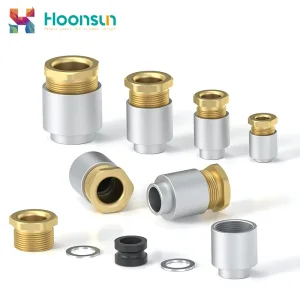
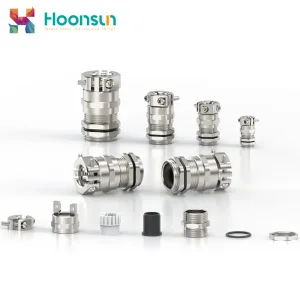
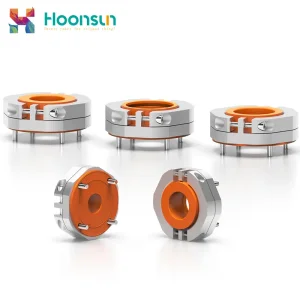
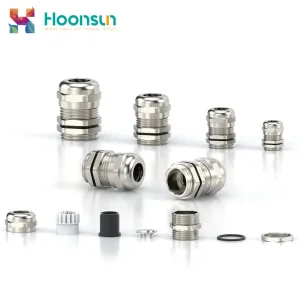
Explore our industrial grade heavy-duty cable glands, high-performance waterproof sealing components engineered for extreme environments.
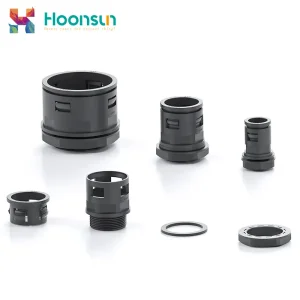
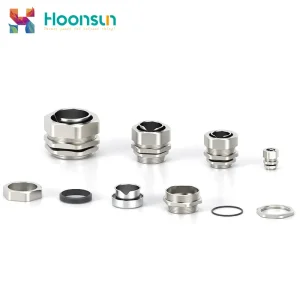
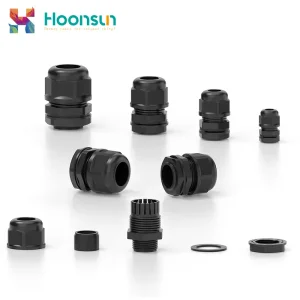
Selecting the ideal cable gland size for heavy-duty 120 sqmm electrical cables requires precise technical understanding. A 120 sqmm conductor cross-sectional area indicates a high-power power delivery line. However, the outer sheath diameter (OD) varies significantly based on insulation materials (XLPE, PVC, EPR), core counts (single-core vs. multi-core), and whether the cable features armoring (SWA, AWA).
Typically, a single-core unarmored 120 sqmm copper power cable carries an outer diameter ranging from 20.0 mm to 26.5 mm. Multi-core variations demand substantially wider glands. In industrial configurations, choosing the correct thread standard ensures watertight reliability, physical strain relief, and electrical shielding. Below is an engineering overview of gland sizes mapped against the thread metrics commonly used by top manufacturers:
| Cable Class (120 Sqmm) | Standard Sheath Outer Diameter (OD) | Recommended Metric Gland Size | Recommended PG Gland Size | Recommended NPT Thread Size |
|---|---|---|---|---|
| Single Core (Unarmored) | 18.5 mm - 23.5 mm | M32 x 1.5 / M40 x 1.5 | PG29 | NPT 1" / NPT 1-1/4" |
| Single Core (Armored - SWA/AWA) | 22.0 mm - 28.0 mm | M40 x 1.5 | PG36 | NPT 1-1/4" / NPT 1-1/2" |
| 3-Core or 4-Core (Unarmored Power) | 38.0 mm - 48.0 mm | M50 x 1.5 / M63 x 1.5 | PG42 / PG48 | NPT 2" |
| 3-Core or 4-Core (Armored Heavy-Duty) | 42.0 mm - 54.0 mm | M63 x 1.5 | PG48 | NPT 2" / NPT 2-1/2" |
"Specifying the appropriate 120 Sqmm cable gland size is a delicate balance of physical containment and environmental shielding. Using an undersized gland risks pinching and compromising the protective cable jacket; utilizing an oversized gland with excessive compression inserts degrades IP68 ingress integrity over continuous thermal cycles."
Analyzing key shifts in macro-infrastructure and standardizations governing modern cable entry ecosystems.
The rapid rise of high-power EV superchargers, multi-megawatt solar arrays, and offshore wind turbines demands substantial single-core and multi-core 120 sqmm electrical connections. Robust cable glands prevent mechanical stress and dynamic structural fatigue in high-vibration power generation assemblies.
Global procurement teams prioritize strict standardizations. Factory setups must prove certifications from major bodies including UL, CE, ATEX, and RoHS. IP68 and IP69K ratings are standard expectations to withstand high-pressure washdowns and maritime salt sprays.
Industrial specifiers look beyond unit pricing. Optimal procurement focuses on structural longevity, anti-corrosion materials (such as nickel-plated brass H59/H62 or stainless steel 316L), and quick-install designs that optimize labor hours and prevent downtime.
Heavy-duty industries like petrochemical refining, railway grids, and naval architecture do not tolerate connectivity failures. Under severe weather or explosive atmospheric conditions, cable glands are the first line of defense protecting valuable internal electronics, control panels, and distribution systems.
To ensure peak longevity under exposure, reliable manufacturers submit components to exhaustive laboratory simulations. Quality metrics encompass IEC 62444 pull-out force tests, ensuring cable anchoring resists violent physical shifts, and cyclic thermal endurance spanning -40°C to +100°C. In marine environments, components are subjected to rigorous salt-spray exposure up to 1000 hours to confirm the structural integrity of nickel-plated copper alloys.
Global integration depends heavily on localized engineering expertise. Because a "one size fits all" strategy fails in complex installations, custom options—such as extended threading (long threads for thick enclosure walls), multi-hole elastomer inserts, and integrated EMI/RFI grounding springs—are necessary to satisfy specific project blueprints. Working directly with Chinese manufacturers who possess in-house CNC workshops enables prompt modifications that reduce development lead times.
A trusted pioneer in global connectivity solutions, blending high-volume automated manufacturing with rigorous quality controls.
Founded in 2006, Zhejiang Hongxiang Connector Co., Ltd. is rooted in Yueqing, Zhejiang — a national hub for precision electrical manufacturing in China. After nearly two decades of dedicated development, the company has evolved into a large modern industrial connectivity solutions provider integrating R&D and design, large-scale intelligent manufacturing, global sales, and one-stop services. It stands as a benchmark enterprise of considerable scale and influence in China’s cable gland and connector industry, and a key player among national high-tech enterprises.
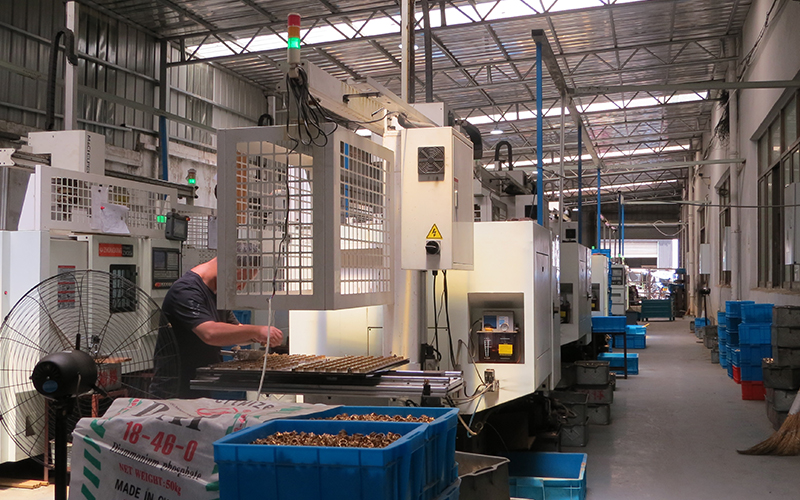
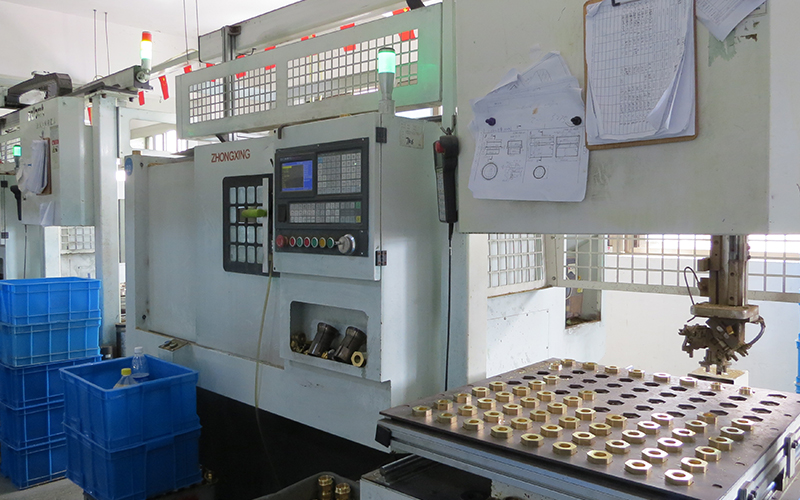
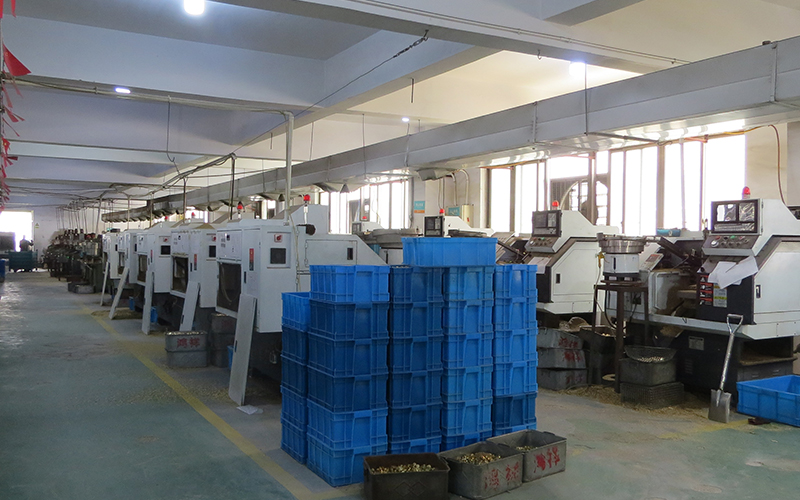
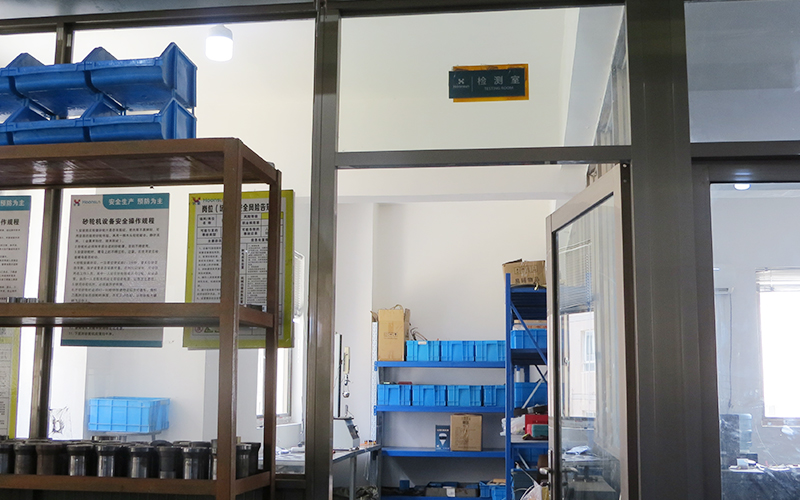
Boasting a modern intelligent manufacturing industrial park, the company operates a standardized production workshop of over 10,000 square meters, equipped with multiple high-precision automated production lines, CNC machining centers, and a full-process quality control laboratory, establishing an industry-leading large-scale manufacturing system. With a core team of more than 300 professionals — over 30% of whom are R&D and quality management personnel — its annual production capacity exceeds 80 million units. The company is fully capable of handling large-volume orders, urgent custom projects, and long-term strategic supply partnerships for domestic and international clients, ranking among the industry’s top tier in both production capacity and delivery efficiency.
Its core product portfolio includes metal cable glands, nylon cable glands, waterproof cable glands, explosion-proof connectors, conduit fittings, and various customized connecting accessories. These products serve high-end sectors such as industrial electrical equipment, new energy equipment, rail transit, shipbuilding and heavy industry, construction machinery, military supporting facilities, and communication & industrial control. Adhering to stringent manufacturing standards and uncompromising quality requirements, the company has obtained a series of internationally recognized certifications, including ISO9001, IATF16949 automotive quality management system, CE, UL, ATEX explosion-proof certification, RoHS, and IP68 high-protection rating. Its core technologies and product performance have reached international advanced levels, with nearly 100 invention and utility model patents to its name, continuously driving technological upgrading across the industry.
As a leading manufacturer in the sector, Hongxiang Connector has maintained long-term in-depth partnerships with numerous Fortune Global 500 corporations and leading listed enterprises in China, and has actively participated in numerous national key projects and major equipment development initiatives. Renowned for their outstanding reliability, the company’s products are highly acclaimed by global customers and exported to more than 30 countries and regions across Europe, America, Southeast Asia, and the Middle East.
Whether you’re a beginner or an experienced practitioner, a high-quality yoga attire set can provide you with optimal comfort and flexibility, allowing you to reap the maximum benefits from every practice.
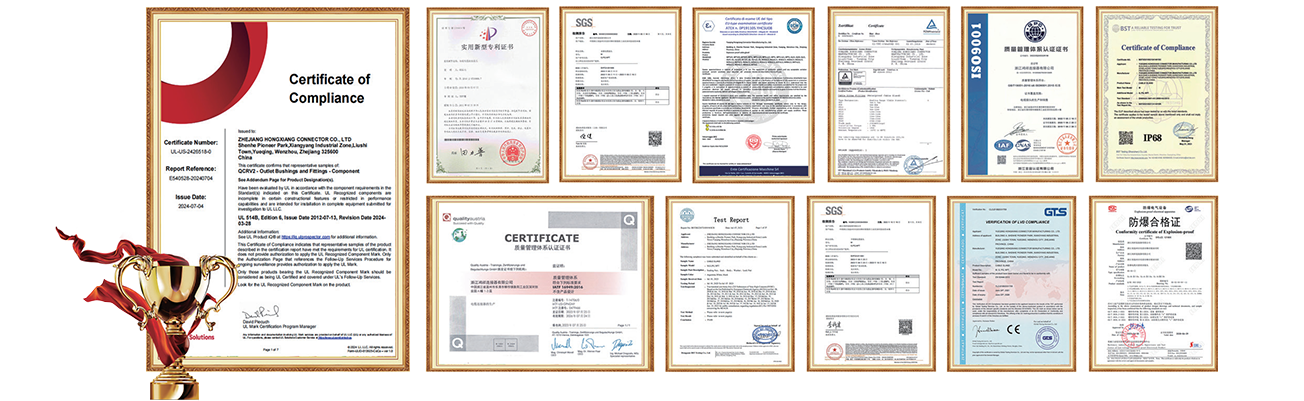

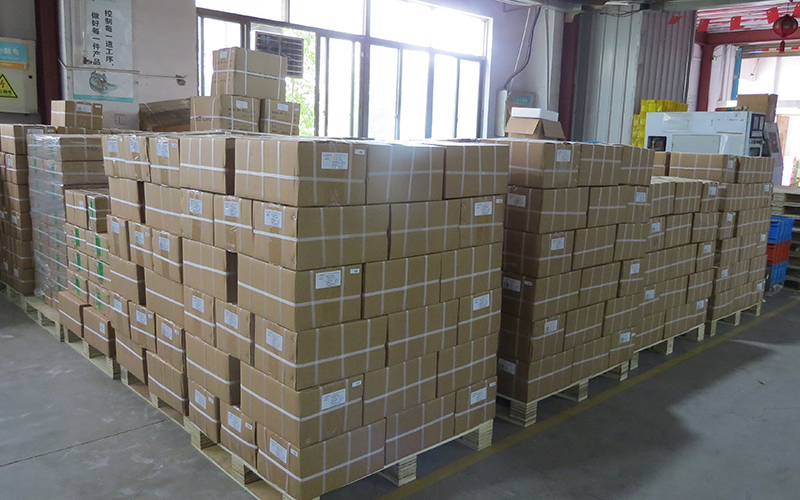
The company currently has more than 120 employees, more than 200 production equipment, and is equipped with a professional sales and management team, committed to improving production efficiency and product quality.
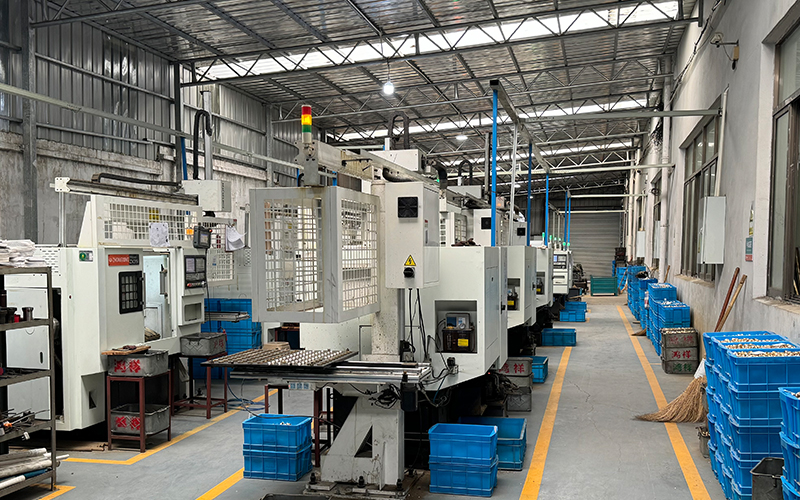
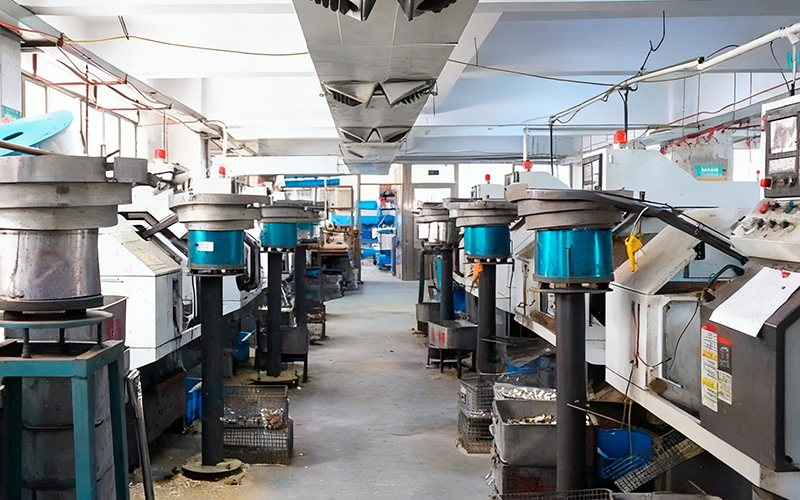
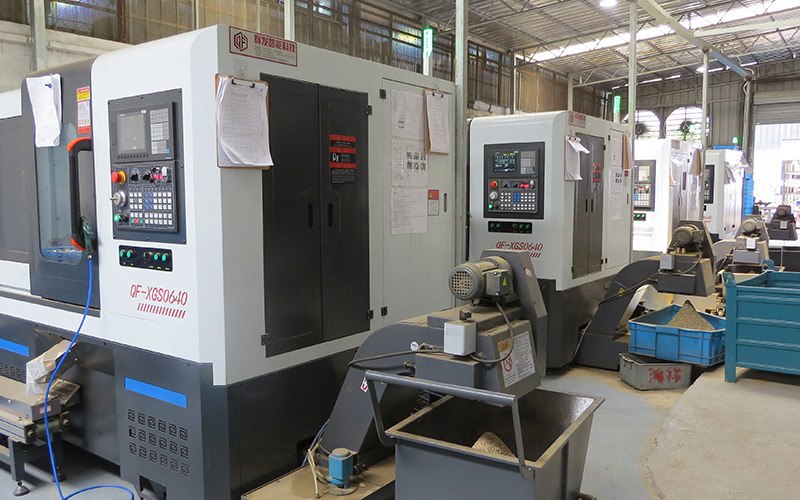
Our high-protection connectivity solutions are widely utilized in heavy industries, renewable energy networks, and automated systems globally.
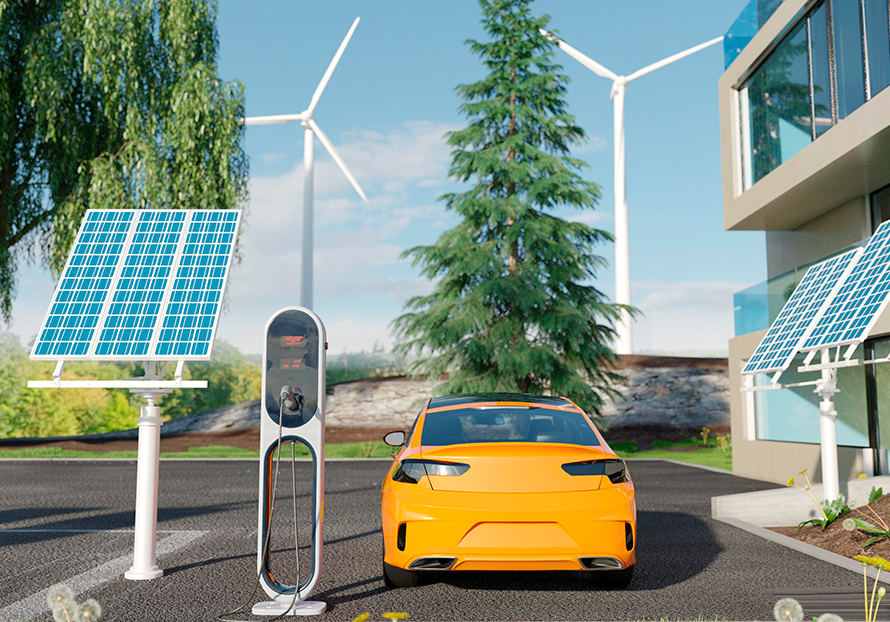
Cable glands are critical for new energy vehicles (NEVs), serving as essential components to manage and protect cables in high-voltage systems, battery packs, motor controllers, charging interfaces, and other core electrical units. Engineered to withstand extreme temperatures, vibration, moisture, and chemical exposure, they ensure reliable sealing, prevent dust/water ingress, and maintain insulation integrity to avoid electrical hazards. By securing and routing power, signal, and communication cables, they enhance the safety, stability, durability, and performance consistency of the vehicle’s electrical system. Compliant with automotive industry standards, high-quality cable glands help NEVs meet strict safety and reliability requirements, making them indispensable for electric cars, hybrid vehicles, and other new energy mobility solutions.

Cable glands are essential for robotics, managing and protecting power, signal, and data cables in industrial robots, cobots, AMRs, and more. Adapted to dynamic movements, harsh industrial environments (dust, coolant, mechanical stress), they prevent tangling, abrasion, and disconnection while ensuring IP68-rated sealing. By safeguarding electrical connections and reducing cable wear, they enhance robotic operational stability, precision, and service life. Compatible with various cable sizes and compliant with IEC/UL standards, they are foundational for reliable robotic systems.
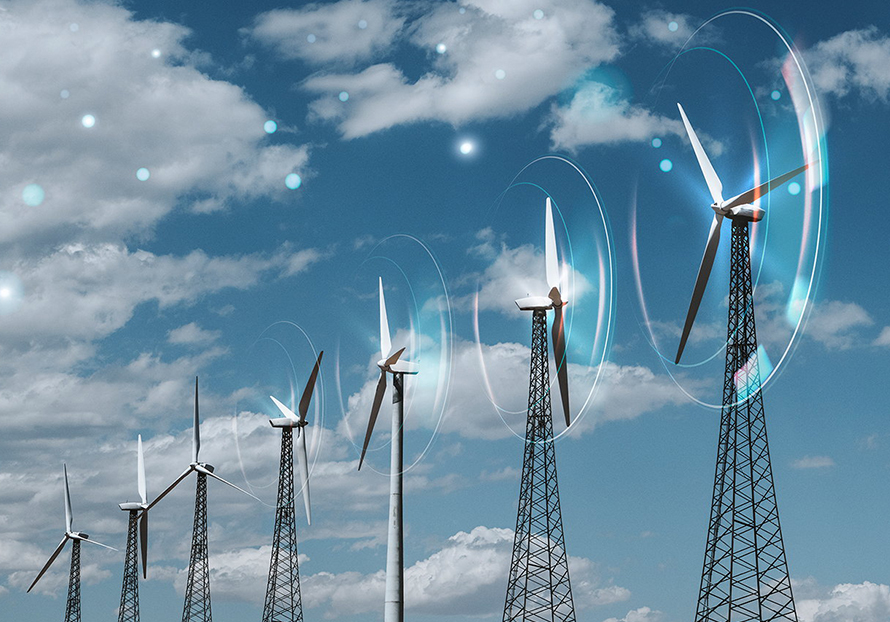
Cable glands are vital for onshore/offshore wind power systems (turbines, substations, tower bases), protecting power/control/signal cables. Engineered to resist salt fog, extreme temps (-52℃ to 90℃), vibration, and UV, they offer IP68 sealing, explosion-proof performance, and EMC shielding. Made of durable EPDM rubber or 316L stainless steel or brass, they prevent cable abrasion/displacement and electrical hazards, ensuring long-term operational stability and safety.
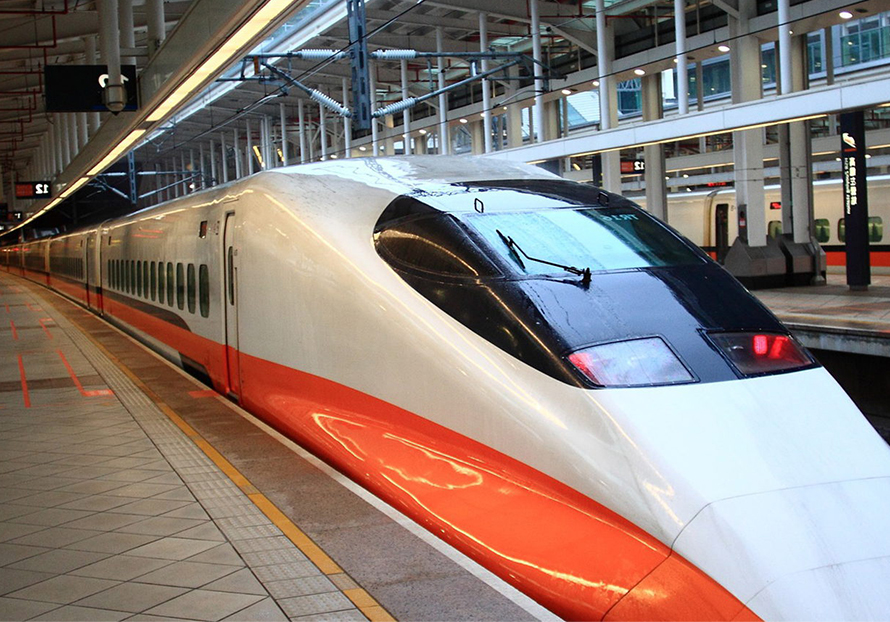
Cable glands are key protective components in rail transit systems, widely used in rolling stock, substations, tunnels, and equipment rooms of metro, high-speed rail, and intercity rail. They secure and protect power, control, and signal cables. Adapted to harsh operating conditions, they feature an IP68 protection rating, resisting moisture, dust, and rodent damage, while withstanding extreme temperatures from -40℃ to 90℃ and continuous vibration. They are offering explosion-proof and sealing performance to prevent cable abrasion, signal interference, and fire spread. Their modular design supports future capacity expansion, extends the service life of cables and equipment, and ensures the long-term safe and stable operation of rail transit systems.
As factories transition to Industry 4.0, cable entries are evolving from passive structural fittings into smart, communicative, and eco-friendly systems. Emerging trends include advanced alloy coatings, biometric elastomeric materials, and electromagnetic shielding that minimize signal noise in complex automated environments.
Future-proof cable glands will incorporate integrated monitoring features, including integrated thermal sensors that alert plant managers to abnormal thermal build-ups before critical systems fail. Additionally, eco-friendly manufacturing initiatives drive research into carbon-neutral materials, such as bio-sourced polymers for internal seals and recycled heavy metals, maintaining robust tensile reliability while minimizing environmental impact.
Review our specialized metal and nylon waterproof glands engineered to maintain extreme ingress protection under harsh industrial conditions.
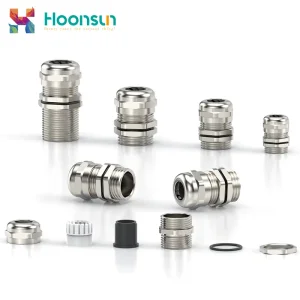
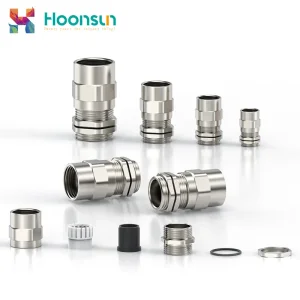
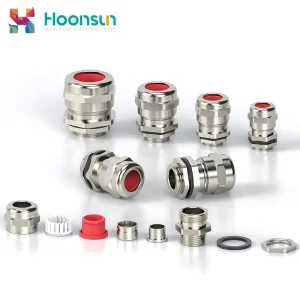
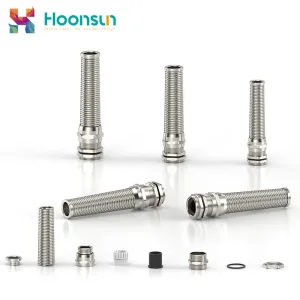
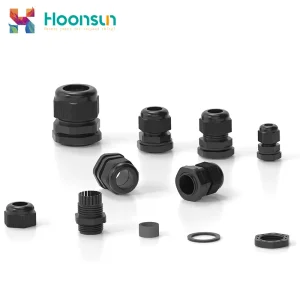
Direct technical answers from our engineering department regarding 120 Sqmm cable gland selection, compliance, and custom integration.
For typical single-core unarmored 120 sqmm cables with an outer diameter between 20.0mm and 26.5mm, the standard size is M32 x 1.5 or M40 x 1.5. If the cable is armored (SWA or AWA), the increased outer diameter usually requires an M40 x 1.5 gland to accommodate the inner sheath, armored wire layer, and outer jacket.
We utilize high-grade EPDM or Chloroprene rubber inserts and an integrated NBR O-ring on the entry thread. Combined with our high-torque locking claws, this design maintains a continuous seal around the cable's circumference, resisting water ingress at depths up to 50 meters (5 bar pressure) under static conditions.
Nickel plating provides a robust anti-corrosive layer that prevents oxidation, rust, and galvanic corrosion when in contact with other metals. It is highly resistant to marine salt air, acid rain, and mild alkaline industrial chemical washes, significantly extending the service life of connections.
Yes, our specialized metal cable glands possess ATEX, IECEx, and UL certifications for explosion-proof safety. They are designed for use in Zone 1 and Zone 2 hazardous areas, offering flameproof (Ex d) and increased safety (Ex e) performance to suppress internal arcs and sparks.
Certainly. With our in-house engineering team and CNC capabilities, we can design custom seals and multi-hole inserts to match the outer profiles of flat, oval, or non-standard multi-core cables, ensuring tight IP68 protection.
Thanks to our 10,000 square meter intelligent industrial park and highly automated production lines, standard items can be prepared for shipping within 7 to 15 days. For specialized custom OEM/ODM designs, our team typically delivers high-precision prototypes within 10 days, with full production batches following in 20 to 30 days.
 Hongxiang