 Hongxiang
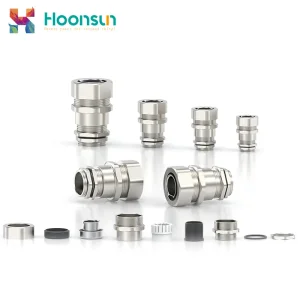
Industrial Whitepaper: The Strategic Significance of Single Compression Glands
An authoritative analysis of mechanical integrity, materials engineering, and environmental protection in modern industrial cable management frameworks.
In the global arena of heavy industry, infrastructure, and electronic engineering, electrical cabinets and field junction boxes act as the vital organs of complex systems. The physical paths into these enclosures—namely, the entry points for power, signal, and data cable networks—represent potential vectors of system failure. Herein lies the critical importance of high-performance Single Compression Glands.
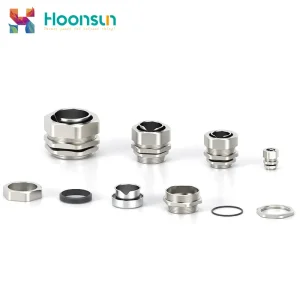
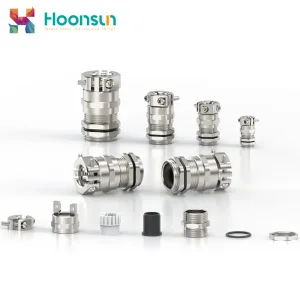
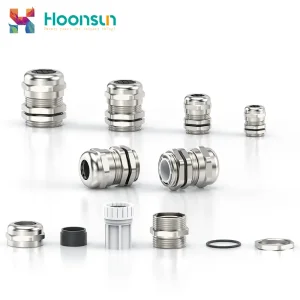
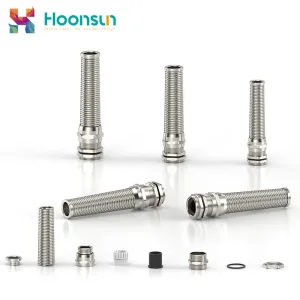
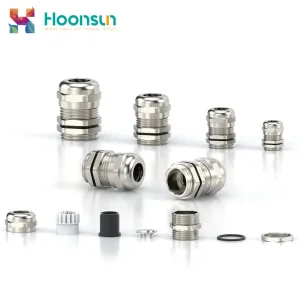
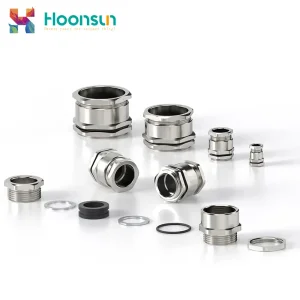
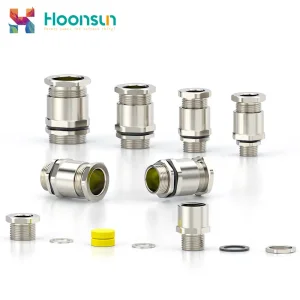
A single compression gland, by definition, is designed to grip and seal the outer sheath of a non-armored cable. Through the progressive tightening of a single compression nut, a resilient internal sealing ring (typically manufactured from EPDM, Neoprene, or Silicone) is compressed directly onto the cable's outer jacket. This mechanical action performs two non-negotiable functions simultaneously: it establishes an airtight and watertight barrier, while offering robust strain relief to prevent external tensile forces from damaging critical inner terminations.
IP68 & Ingress Protection
Provides a absolute seal against high-pressure water jets and continuous submersion, preventing short circuits and corrosion in electrical enclosures.
Premium Strain Relief
Distributes clamping force uniformly around the cable sheath, neutralizing mechanical strain and pullout forces without causing jacket deformation.
Rapid Field Installation
Featuring a single gland nut construction, this component reduces labor time and human error during field assembly in large-scale deployments.
Technical Architecture & Mechanical Operations
The operational reliability of single compression glands is governed by international standards such as EN 50262 and IEC 62444. These frameworks mandate rigorous tests for mechanical retention, resistance to impact, and electrical continuity. When a gland is assembled, the thread specification—whether Metric (ISO 965), PG (DIN 40430), or NPT (ANSI/ASME B1.20.1)—must align flawlessly with the enclosure's entry thread to prevent cross-threading and ensure structural integration.
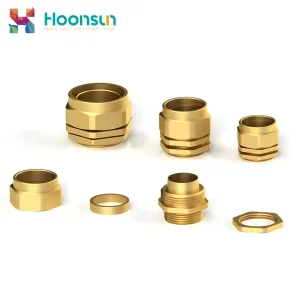
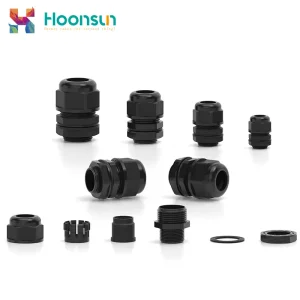
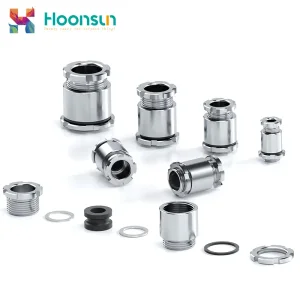
For brass components, nickel plating provides an additional layer of protection against galvanic corrosion and oxidation. In marine or offshore projects, 316L stainless steel stands as the material of choice due to its high molybdenum content, which fights chloride-induced pitting. For standard industrial and control cabinet applications, glass-fiber reinforced Nylon 66 offers a lightweight, cost-effective alternative that features excellent self-extinguishing properties (UL 94V-0 or 94V-2 rating).
Global Commercial Landscape and Sourcing Realities
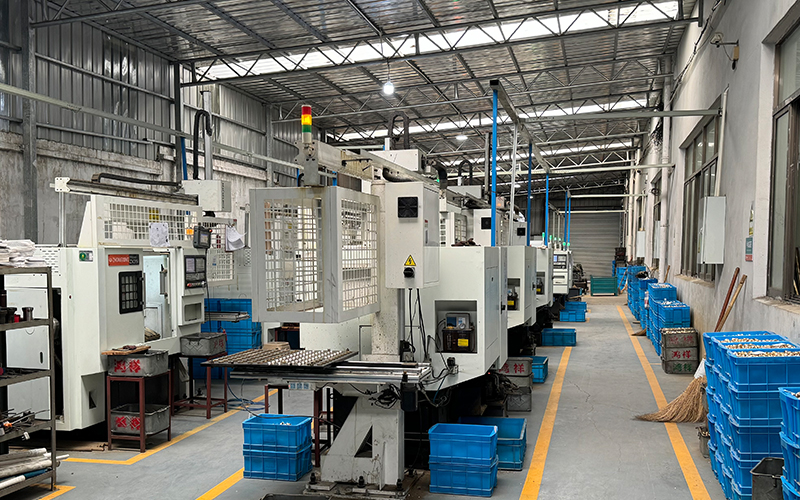
The manufacturing ecosystem for cable management has shifted toward automated, high-precision hubs in East Asia, with China taking a leading role. Historically regarded as a source for high-volume, low-cost components, Chinese manufacturers have undergone a profound technology-driven transformation. Advanced players like Zhejiang Hongxiang Connector Co., Ltd. have invested in automated CNC machining centers, automated injection molding cells, and in-house laboratory testing facilities.
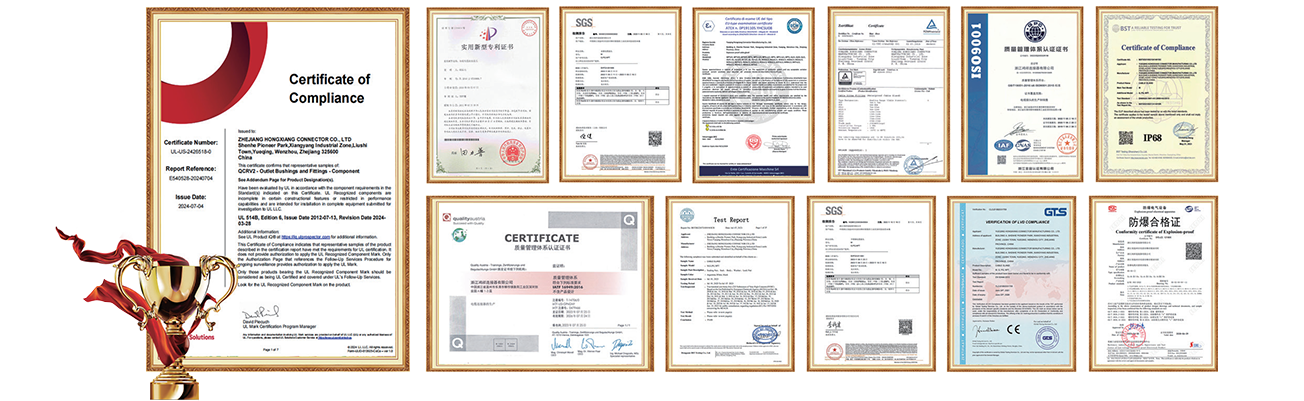
In modern industrial sourcing, purchasing decisions are no longer guided solely by unit price. Global EPC (Engineering, Procurement, and Construction) companies and industrial OEMs now evaluate vendors based on their compliance with global standards, Supply Chain Resilience, and structural engineering capabilities. The adoption of single compression glands is growing rapidly, driven by the expansion of solar farms, offshore wind arrays, smart energy grids, and localized factory automation networks.